
Ride-Hailing in Sarnia: Addressing the Safety Gap
In developing rural communities like Sarnia, transportation needs are often underserved. While major ride-hailing companies focus on urban centres, smaller


In smaller communities like Sarnia, limited late-night transit and high taxi demand have led to informalrideshare groups on social media. While these rides may seem convenient and affordable, they often operate outside transportation regulations — exposing passengers to safety, legal, and financial risks. Before opting for an unregulated ride, it is essential to consider the safeguards and accountability measures that may be absent.
Licensed platforms are legally required to carry commercial insurance coverage that is specifically structured for passenger transport. This type of policy typically includes higher liability limits, passenger injury protection, third-party property damage coverage, and coverage that remains valid while the driver is actively transporting paying customers.
By contrast, unregulated rideshare drivers often rely on personal auto policies, which typically exclude commercial use. If an accident occurs, claims may be denied — leaving passengers responsible for medical bills, legal costs, or property damage.
Without verified commercial insurance, there is no clear mechanism to ensure timely compensation or structured claims support. This creates substantial legal and financial uncertainty for passengers who may have assumed they were protected.
Regulated ride-hailing platforms are required to implement comprehensive driver screening procedures before permitting individuals to transport passengers. These safeguards typically include criminal background checks conducted through authorized agencies, verification of driving history and traffic violations, confirmation of identity and legal authorisation to operate, and ongoing monitoring to ensure continued compliance with safety standards.
These measures are designed to reduce risk, promote accountability, and ensure that only qualified individuals are entrusted with passenger safety.
In contrast, unregulated rideshare groups often do not follow formal screening processes. There are no required background checks, no review of driving history, and no official approval system. Without these safeguards, there is a higher chance that inexperienced or unsafe drivers may operate without proper oversight.
Modern ride-hailing platforms integrate advanced technology to enhance passenger safety and trip transparency. These systems typically include GPS tracking, trip records, emergency assistance features, and ride-sharing options with trusted contacts.
In contrast, informal rides arranged through social media platforms or private messaging groups lack these structured safeguards. Without integrated tracking systems, there is often no verifiable data. If a safety concern arises, passengers may have limited recourse due to the absence of standardised support, and formal accountability system.
Regulated ride-hailing platforms are designed to promote transparency and consumer protection through structured pricing systems. Passengers are typically provided with upfront fare estimates, digital payment processing and receipts. These safeguards help ensure accountability for both drivers and passengers.
In contrast, unregulated rides often lack standardised pricing models. Passengers may encounter unexpected fare increases during the trip, cash-only transactions, with no formal proof of payment, and limited or nonexistent dispute resolution mechanisms. These unregulated structures introduces passengers to both financial uncertainty and personal risk.
Licensed platforms operate within structured accountability frameworks designed to protect passengers and maintain service standards. These typically include formal rating and review systems, established complaint and investigation procedures, and ongoing driver performance monitoring in order to create traceability, encourage professional conduct, and provide passengers with a clear for resolution if issues arise.
In contrast, informal rideshare groups often operate without proper oversight. They may not have a reliable review system, negative comments can be deleted, and they do not follow standard transportation or consumer protection rules. If a passenger faces unsafe driving, misconduct, or payment issues, there may be no clear way to report the problem or resolve it.
Transportation decisions should be guided by safety, reliability, and accountability rather than convenience alone. For those seeking dependable travel, regulated ride-hailing platforms with documented protocols offer a more secure and reliable solution.
We invite you to be part of the Pocketride journey from the very beginning. Register today for early access and help shape the future of community-driven ridesharing in Sarnia.
Join as rider: https://mypocketride.com/riders/#join-ride
Join as driver: https://mypocketride.com/drivers/#driver
In developing rural communities like Sarnia, transportation needs are often underserved. While major ride-hailing companies focus on urban centres, smaller
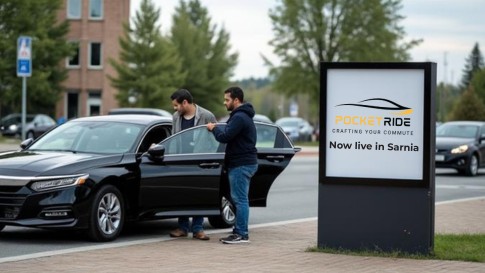
Pocketride Pilot is now live in Sarnia, delivering affordable, safe rides through a community-focused rideshare platform. We are excited to
[wpforms id=”1533″]